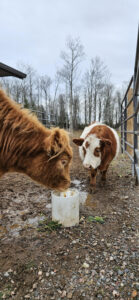


Overflow from an automatic livestock waterer turns a reliable system into a daily frustration. Wasted water pools around the base, creates mud in high-traffic areas, and can compromise hoof health and footing for your animals. Drinking Post manufactures frost-free, non-electric watering systems designed to eliminate many of the conditions that lead to overflow in the first place.
This guide walks you through seven clear steps to identify the source of overflow, correct it and prevent it from returning. Whether the issue traces back to a valve, water pressure, debris or drainage, each step gives you the information to act with confidence.
Before adjusting or replacing any component, observe your waterer during two conditions: while livestock are actively drinking and while the area is empty. If water levels rise above the shutoff point when no animals are nearby, you have a mechanical overflow issue. If the ground is wet only during feeding and drinking times, your animals may be splashing or displacing water from the basin.
These two situations call for different solutions. A mechanical overflow points to a valve, pressure or drainage problem that the remaining steps address. Splash-related water loss, on the other hand, may require repositioning the waterer, adding a splash guard or switching to a design with a smaller, enclosed drinking area.
Spending a few minutes watching your system before picking up a wrench can save hours of unnecessary work.
The valve that controls water flow into the basin is the most common source of overflow. In traditional float-valve systems, a buoyant arm rises with the water level and shuts off the incoming supply when the basin is full. If that arm sticks, bends or corrodes, water continues flowing past the fill point.
Start by check whether the float moves freely through its full range of motion. Mineral deposits, sediment or small pieces of debris can lodge between the valve seat and the float mechanism, preventing a complete seal. Clean the valve seat and the area around the orifice. If the rubber seat shows cuts or grooves, replace it.
Kansas State University’s livestock watering handbook notes that using a gravity-flow valve on high pressure line can cause the valve to fail to shut off completely, resulting in a slow seep that eventually overflows the basin. Matching the valve type to your actual water pressure is critical detail many producers overlook.
Water pressure that exceeds your waterer’s rated operating range can force water past the shutoff mechanism faster than it can respond. Most automatic waterers are designed to operate within a specific pressure window. Drinking Post, for example, requires 25 to 65 PSI at the base of the unit for proper function.
Use a simple pressure gauge on the supply line at the point where it connects to the waterer. If the reading exceeds the manufacturer’s recommended range, install a pressure reducer on the supply line. Pressure that is too high causes water to surge into the basin, which can overwhelm valves and lead to continuous overflow.
Keep in mind that pressure can fluctuate seasonally or when other demands on your well or municipal supply change. Testing at different times of day and during different seasons gives a more accurate picture.
Clogged filters and blocked drain paths are among the most overlooked causes of overflow. Leaves, sediment, mineral scale and organic matter accumulate over time, restricting the flow of water out of the basin. When water cannot drain at the same rate it fills, the basin overflows.
Locate the intake filter on your unit and remove it for cleaning. On Drinking Post systems, the intake filter sits inside the unit and can be accessed by removing the interior components from ground level, with no digging required. Running well water through any automatic waterer increases the likelihood of mineral buildup, which means filter cleaning may need to happen more often depending on water hardness.
For systems with gravity-fed drains, inspect the drain path below the basin. If soil has compacted, clay has shifted or the drain field has become saturated, water has nowhere to go. A clear, functional drain path is just as important as a working valve.
Overflow is not always caused by too much water coming in. Sometimes it is caused by too little water going out. In frost-free systems like Drinking Post, the water drains below the frost line into a leach field of washed rock after each use. If that leach field is undersized, compacted or saturated by a high water table, the water backs up into the bowl.
Test drainage by filling the bowl and timing how long it takes to empty completely. On a properly installed Drinking Post unit, the bowl should drain in 30 to 45 seconds. If it takes significantly longer, the leach field may need attention.
Producers with clay-heavy soil or a high water table may need to expand the leach field beyond the minimum dimensions of 3 feet by 3 feet by 1 foot deep. In some cases, adding drain tiles that run to daylight on a slope resolves chronic drainage problems without replacing any equipment.
A slow drip from a worn seal or a loose fitting may not look like much at first. Over the course of a day, though, even a small leak can produce enough water to saturate the ground around your waterer and create the appearance of overflow.
Check every connection point between the supply line and the waterer. Look for moisture around threaded fittings, which often indicates Teflon tape or paste has degraded. Inspect rubber seals and O-rings for cracks, hardening or compression damage. On Drinking Post units, all interior components can be pulled from ground level for inspection, making it straightforward to check seals and valves without excavation.
If your waterer uses brass or stainless steel fittings, check for green oxidation on brass or mineral deposits that may prevent a tight seal. Replacing a worn gasket or re-taping a fitting is a quick fix that can prevent a larger overflow problem.
Preventing overflow comes down to catching small issues before they compound. A brief monthly visual check of your waterer during feeding takes only a few minutes and can reveal early signs of valve wear, slow drainage or debris accumulation.
Before winter, winterize your system by lubricating the activation rod, adjusting the paddle for cold weather operation and confirming the drain path is clear. Before summer, check for algae-related clogs in systems that hold standing water and confirm that water pressure has not shifted due to seasonal well changes.
Keep a small supply of common replacement parts on hand, including spare seals, filters and valve components. Many producers who manage five or more waterers find that having these parts available reduces downtimes and prevents a minor maintenance item from becoming an overflow emergency.
Chronic overflow typically traces back to one of three root causes: a valve that no longer seals completely, water pressure that exceeds the system’s operating range or a drainage path that cannot keep up with fill volume. In float-valve systems, the rubber seat inside the valve wears over time, allowing a thin stream of water to pass even when the float arm is in the closed position.
Hard water accelerates this wear because mineral deposits build up on the valve seat and prevent a clean seal. High-pressure supply lines compound the problem by forcing more water through the gap. A 2025 report from Kansas State University veterinarian Scott Fritz, reinforced that cattle can nearly double their water intake as temperatures rise from 40°F to 90°F, which means marginal valve issue in spring can become a full overflow event by midsummer when demand spikes.
Addressing the valve, pressure and drainage together rather than in isolation is the most reliable path to resolving chronic overflow.
Overflow creates standing water around the waterer, which introduces several risks to your animals. Persistent mud and pooling water softens hooves, increasing the likelihood of conditions like thrush in horses and foot rot in cattle and sheep. Stagnant water also becomes a breeding ground for mosquitoes, which carry diseases such as West Nile Virus.
Beyond hoof health, contaminated standing water near the drinking source can reduce water palatability. Research from the University of Saskatchewan has documented that livestock drink less when water quality declines, which directly reduces feed intake and can lead to slower weight gain, lower milk production and increased risk of colic in horses.
Controlling overflow protects more than your water bill. It supports the long-term health and productivity of your herd.
Drinking Post approaches the overflow problem differently than traditional float-valve systems. Because the unit fills only when an animal pushes the paddle and drains completely after every use, there is no standing water in the basin between uses. This on-demand design removes the conditions that cause most overflow events: a stuck float, a continuously running valve, or a basin that sits full and vulnerable to pressure fluctuations.
Water enters the bowl from a supply line buried below the frost line and drains back below the frost line through a leach field of washed rock after each use. This means no electricity, no heating elements and no float valve to malfunction. Drinking Post delivers water at approximately 50°F year-round, and many customers have found it helps reduce daily chores by eliminating ice chopping, algae scrubbing and heating element maintenance.
If chronic overflow has been an ongoing challenge on your operation, a frost-free, non-electric design like Drinking Post can reduce or eliminate the root causes. Explore the full lineup of horse waterers, pig waterers, cattle waterers and goat and sheep waterers to find the right fit for your setup. You can also contact a product expert at (303) 482-1642 for guidance specification to your situation.
Overnight overflow usually indicates a valve that does not fully close. When animals stop drinking, the demand on your water system drops and static pressure can increase slightly. That added pressure pushes water past a worn or misadjusted valve seal. Inspect the valve seat for wear and test pressure at different times of day. Drinking Post avoids this problem entirely because the bowl drains after every use, leaving nothing in the basin to overflow.
Yes. Pressure above your waterer’s rated operating range can force water past the shutoff mechanism faster than it can respond. Installing a reducer on the supply line is a straightforward fix. Drinking Post operates within a 25-65 PSI range, and exceeding that range can cause water to spurt rather than filling smoothly.
A monthly visual check is a practical baseline. During this check, watch for slow drainage, moisture around fittings or a basin that does not return to the correct water level. Before winter and before summer, perform more thorough inspections of valves, seals and drain components.
Clay soil can slow drainage throughout the leach field, which may cause the bowl to drain slowly. Drinking Post recommends oversizing the leach field beyond the minimum 3-foot by 3-foot by 1-foot deep dimensions when clay is present. Some producers also install drain tiles that run to a slope. With adequate drainage, Drinking Post operates reliably in clay conditions.