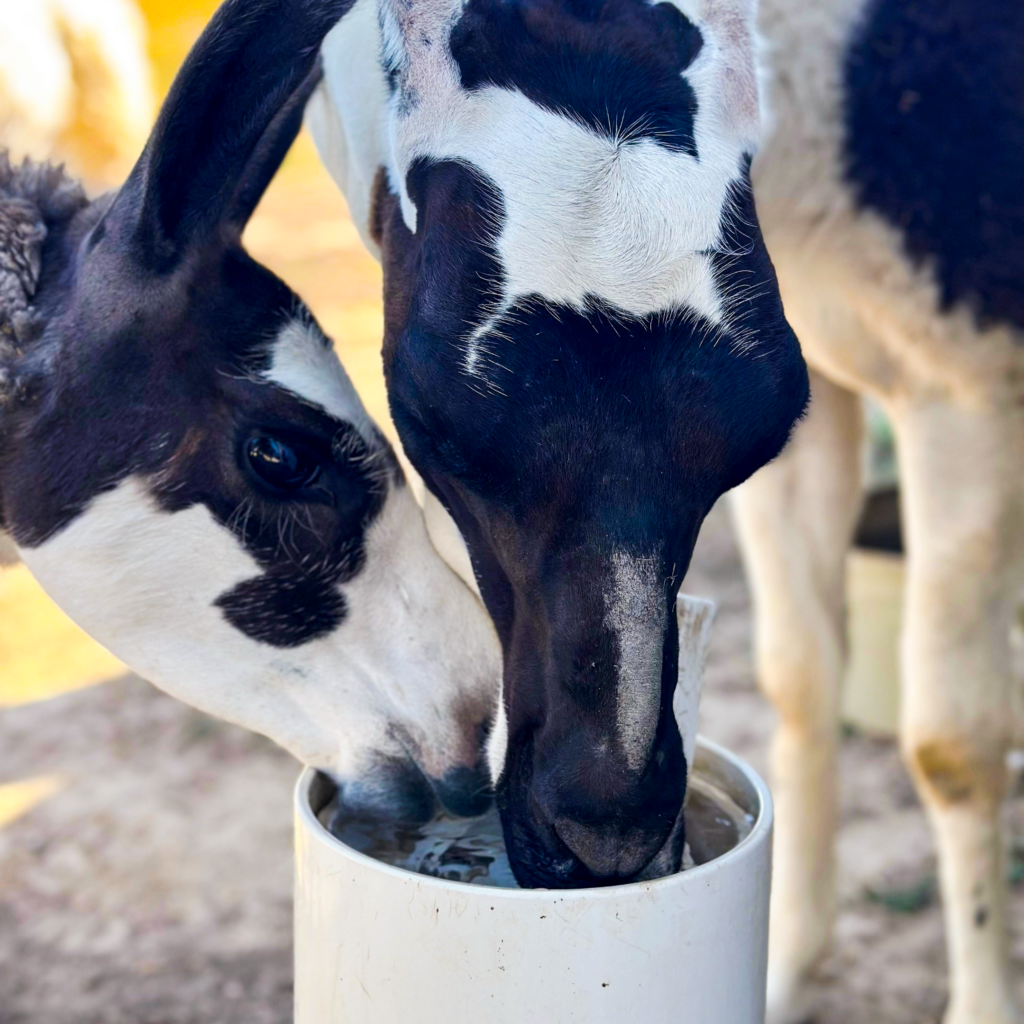

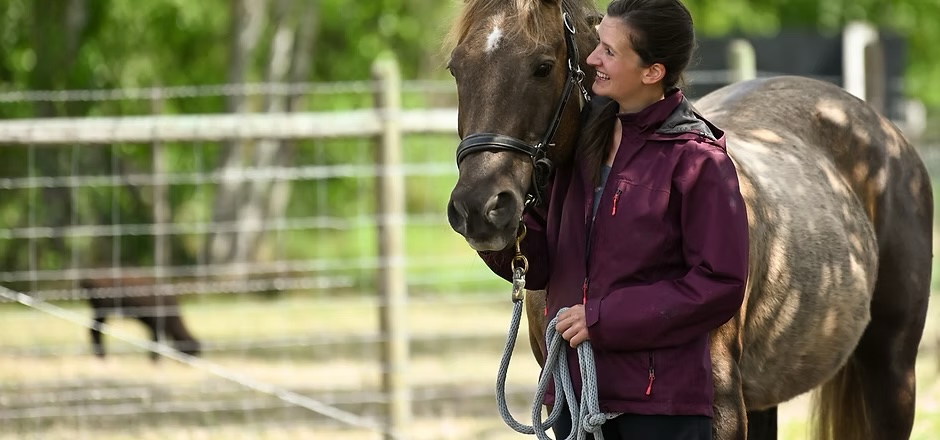
When it comes to water it is just as important for our livestock, as it is for us. Making sure your animal’s water is clean, fresh and the correct temperature is essential for temperature regulation, nutrient transportation and digestion.
Studies from Journal of Dairy Science show that an average dairy cow that produces 70 pounds of milk will require about 61 pounds of water per day. With roughly 80 percent of milk being water, livestock hydration is vitally important to the health of dairy cattle. Research from the University of Nebraska shows beef cattle in 40 to 60 degree weather, face water intake requirements that range from one to two pounds per hour per 100 pounds of body weight. When temperatures get to 90 degrees and over, that number doubles the necessary water needed to stay hydrated.
Horses lose water through a combination of manure, urine, sweat, respiration and if nursing, lactation.
When it comes to losing hydration, many equestrians overlook one of the largest factors– manure.
“While a horse’s main diet is forage, the manure they expel is 72 to 85 percent water,” said Dr. Kris Hiney, Oklahoma State University equine extension specialist. Horses on a grain-based diet do produce manure that is drier, however, the caveat is that if manure is too dry the horse stands to face impaction colic, Dr. Hiney said. With horses using fermentation in their hind gut, a rather wet environment, it is important to have a fresh water supply to allow for proper hydration and lubrication of their digestive track, as well as muscles and joints.
“Consumption of forage encourages water intake to maintain this environment,” Dr. Hiney said. As livestock have healthy water intakes, it encourages them to eat more forage, which in turn helps with everything from weight gain to performance and gut health.
For more information, see the OSU publication “Water: The Most Important Nutrition” at https://extension.okstate.edu/fact-sheets/water-the-most-important-nutrient.
“Canadian studies have show the quality of water accessible to livestock is directly tied to the amount of forage they consume,” said Roxanne Johnson, former North Dakota State University water quality expert. “Improved water palatability increases water and feed consumption, which is demonstrated as an increased rate of gain.”
The University of Saskatchewan’s Termuende Research Farm and Western Beef Development Center found that cattle with access to fresh drinking water spent more time grazing than that of cattle who did not have unabadited water access.
The quality of your livestock’s water can show many factors that can be severely influential to their performance and weight gain. Common issues that affect water quality include sulfates, bacteria, algae growth and even taste and odor. Best practices to ensure water quality maintains to standard levels is to have your water tested frequently.
For tips to increase your water intake for cattle, visit our link https://dpwaterer.com/cattle-waterer-water-quality-and-weight-gain/
“If the key to increasing water consumption, then producers should consider palatability of accessible water too,” Johnson said. Making sure your cattle, horses and other livestock have direct access to fresh, clean water is vital to the health of your animals.
For more information, see the Cattle Site publication “Water Quality Can Affect Livestock Weight Gain” at https://www.thecattlesite.com/articles/1049/water-can-affect-livestock-weight-gain
The first step in having healthy livestock starts with clean and dependable water. Whether running sheep, cattle, or other livestock, being able to have access to a steady source of fresh water is the best way to help support the health and performance of your animals. Researching a reliable watering system can help ensure your livestock have access to water at all times of the year.